Should I Eat Snacks Between Meals?
I am a huge fan of snacks and think snacks are an important part of our overall diet. Sometimes there is anxiety when I first mention snacking to a client - especially one who is still trying to decouple from the diet mentality. For some people, that discomfort feels something like this: snacks mean adding more food, which may mean more calories, which may mean weight gain. While those concerns are valid, snacks can actually help us repair our relationship with food. Here are a few reasons why:
Snacking is a great way to help us bridge the gap between meals. Often, if our meals are spaced too far apart, we may arrive at our next meal extremely hungry, which can lead to overeating. It is hard to make conscientious decisions about what we want to eat when we just have a driving force to eat anything. Eating a snack in between meals can help bring down your hunger level so that at the next meal, you have a better ability to make intentional food choices, and also slow down and have a more mindful eating experience.
Snacks are a great way to add essential nutrients and help us meet our daily needs. It can be hard to meet our needs at just three meals a day - especially for nutrients like fiber and calcium. Adding snacks can be a great way to help our bodies get what they need. Let’s take fiber, for example - although exact needs can vary, general recommendations are 25 grams per day for women and 38 grams per day for men. The literature shows that most of us consistently do not meet this goal. And if gentle nutrition is something you are trying to work on, finding ways to add more fiber could be really beneficial for heart health, blood sugar management, and your digestive system.
A great excuse to practice and prioritize self-care, to slow down and assess our needs. Often, we are so busy going that we override what our bodies are telling us. But that period between meals can be a great time for a mind-body check-in. The more we are able to tune in and understand what our bodies are telling us, the more we can meet our own needs. And it’s kind of amazing: the more we meet our own needs, we are often better able to serve others - like our family, our jobs, etc.
So what should snacks look like? First and foremost, like all food, snacks should satisfy you. And satisfaction can look different to every person. But remember that satisfaction goes beyond taste. Also consider things like what you're in the mood for - something salty, sweet, or crunchy? Will the snack have enough staying power to carry you to your next meal?
Everyone has individual needs. Someone in recovery from an eating disorder may need a more structured, larger snack. Someone who has diabetes may need a specific amount of carbohydrates. Someone who is eating a snack right before or after playing two hours of soccer may also need more specific recommendations. This is where your Registered Dietitian can give you specific advice to meet your needs.
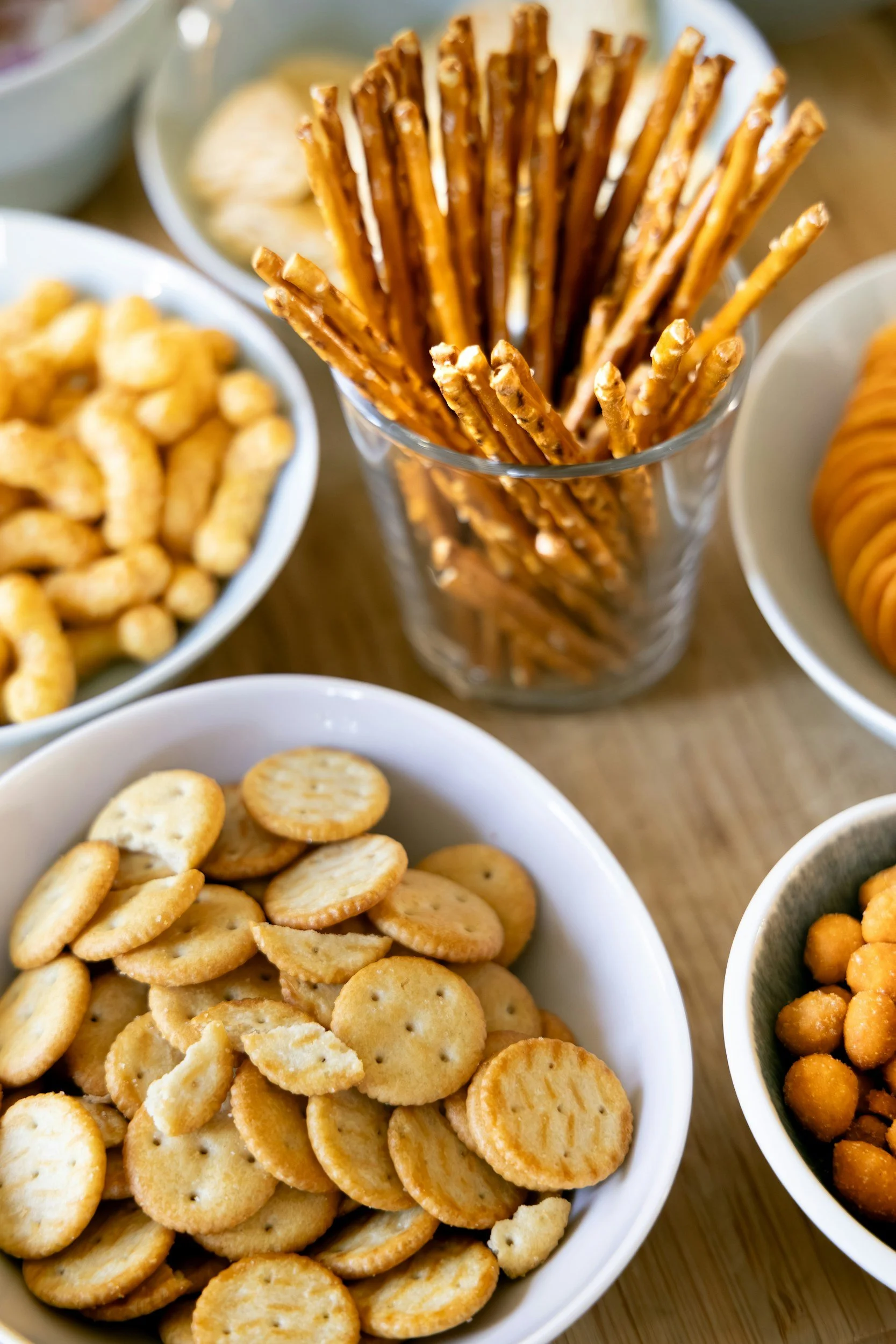
A general rule that works for many people is to try to make snacks a minimum of two items. If you can, include carbohydrates and protein. Some examples of this are apple and peanut butter, yogurt and granola, or cheese and crackers. Like meals, snacking possibilities are endless!
If you need assistance with meal or snack ideas, we are happy to help! Feel free to contact us.